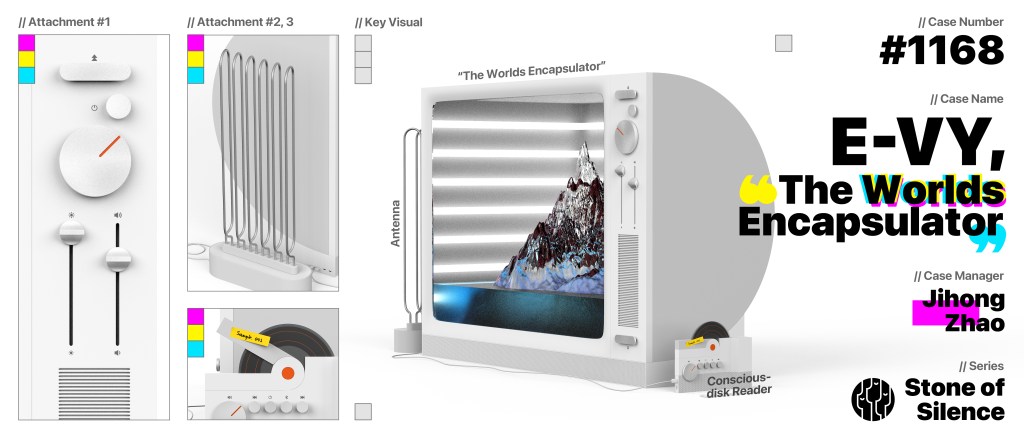
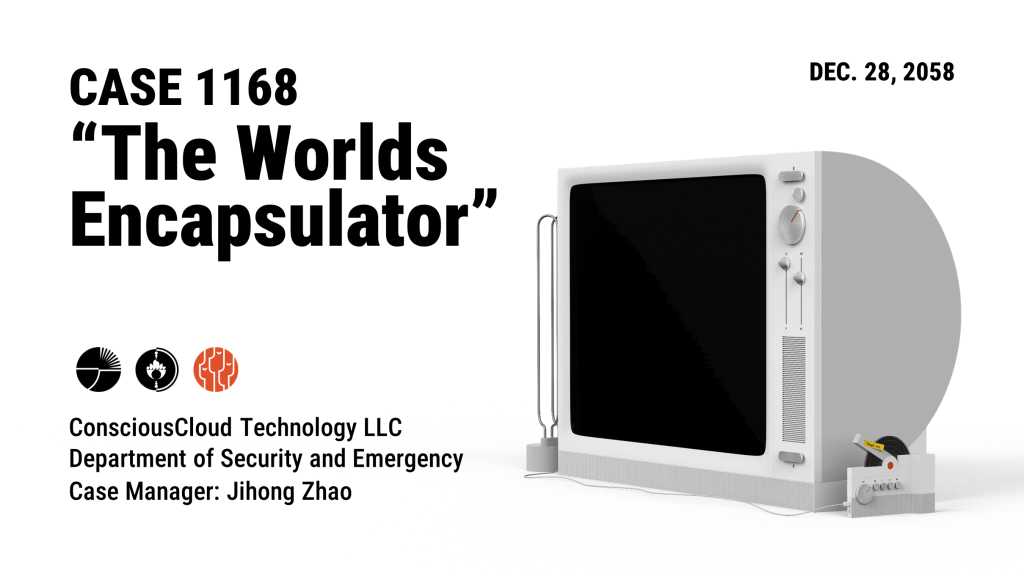
This project was developed in class “Sci-fi Prototyping”, aiming to combine product design and storytelling. The story emphasizes the conflict between technological advancement and ethics. “The Worlds Encapsulator” is not only a product design of a TV but also the key item of the story, which holds the consciousness of the main character, E-vy. The visualization is created in Blender.
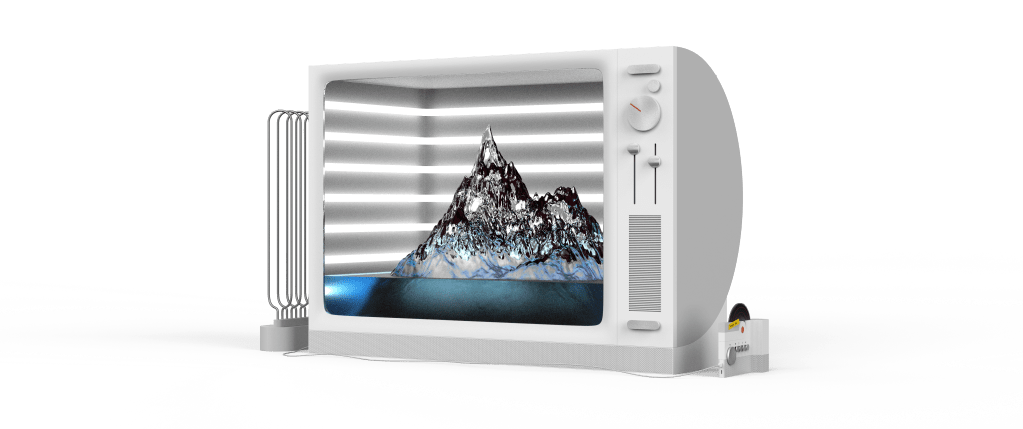
In the process, I experimented with different materials in rendering to create organic shapes (the mountain), and harvest experiences in narration and drawing storyboards.
Ideation
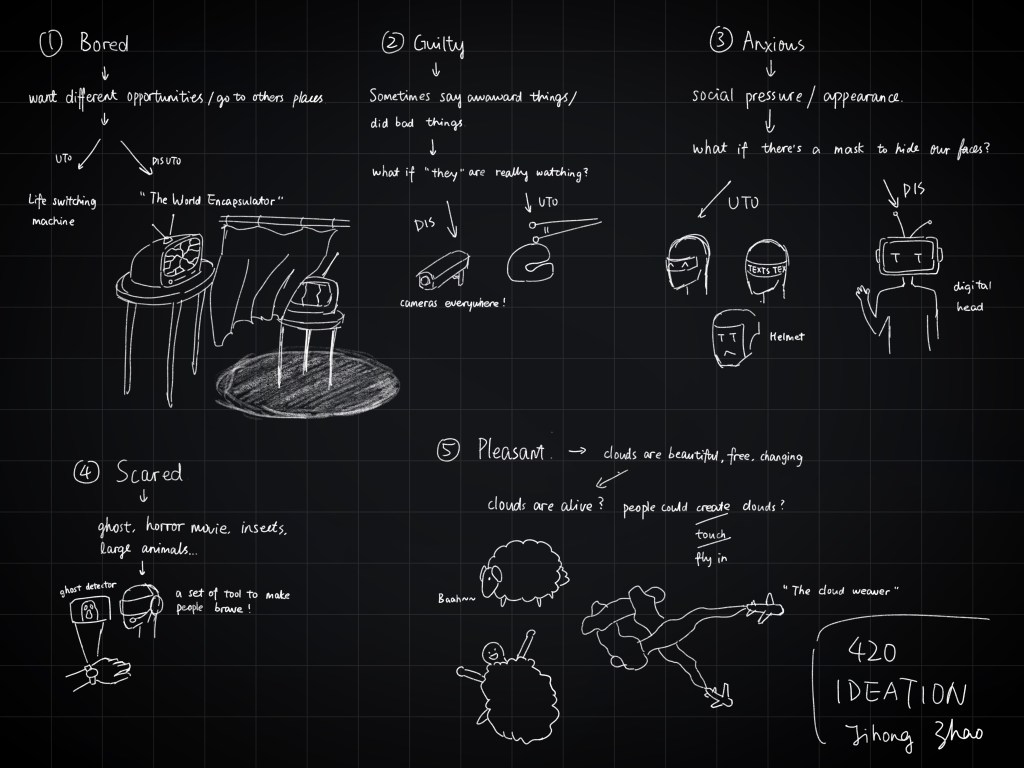
This project was about creating a prototype for an item in a science fiction story. At this point, I’ve been creating product designs like Mr. Fitzroy the household projector, I decided to created something that align with them, meaning a product with retro aesthetics but modern or futuristic elements (to fit the sci-fi situation). This product would not only be useful as a product, but also a key to promoting the story development. I decided to start with a television, something I haven’t used often since middle school. In my memory, television means a family reunion, news, reports, weather forecasts, TV shows, and the animal world. Before having a mobile phone, I immersed myself in the fictional world created by the channels on TV. The story could start with the connection, or even addiction, between the subject and the virtual world established through TV.
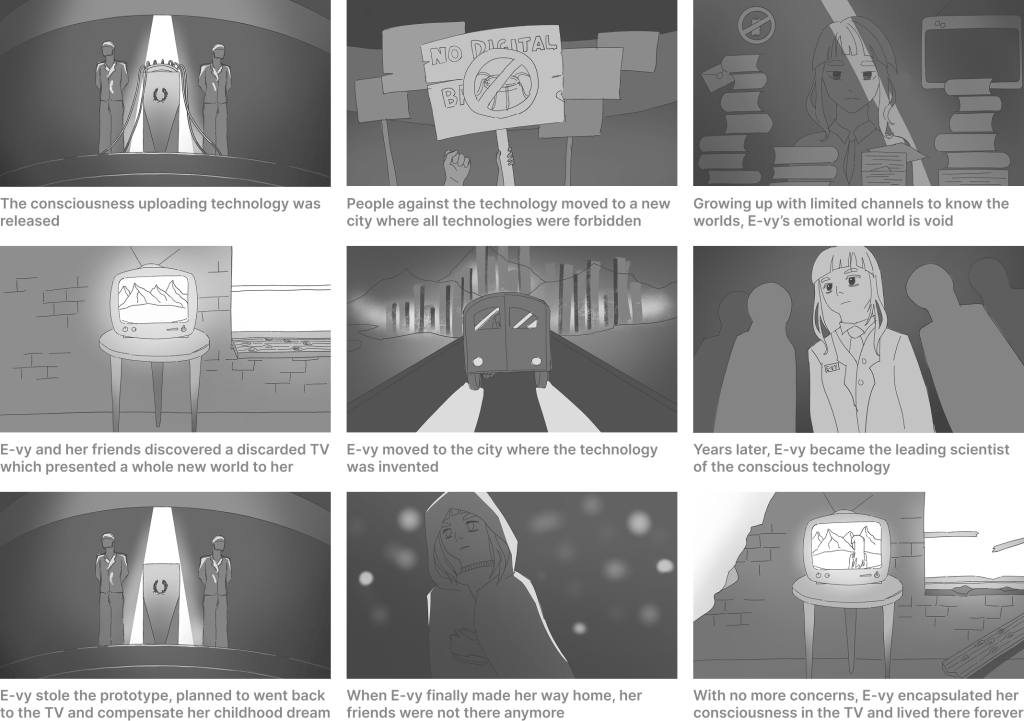
Because the story was set in the future, the TV could have more functions, like the ability to upload users’ “consciousness” and enter a virtual adventure world. This technology could be groundbreaking and dangerous at the same time. Some people will embrace it, and some people will be against it.
Design
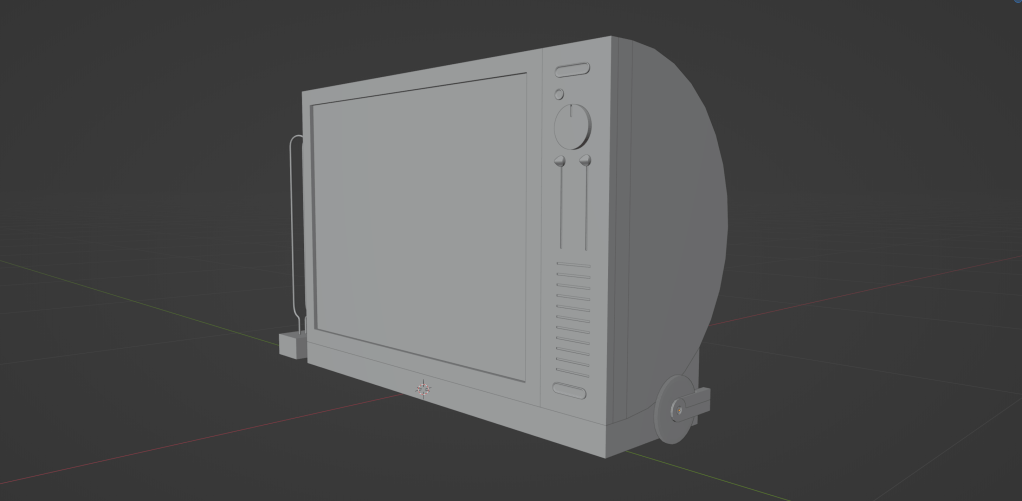
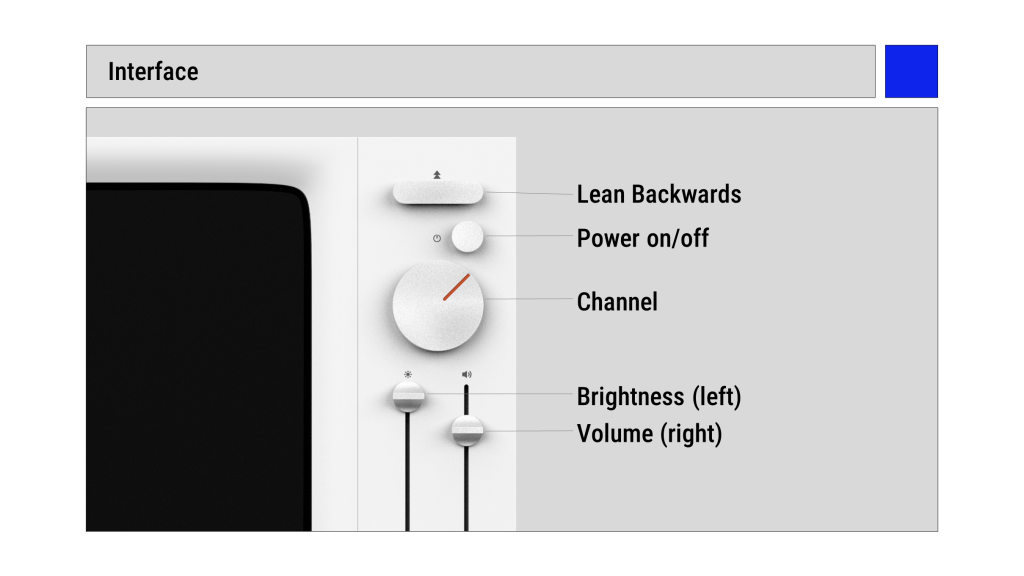
The TV was constrained by two requirements: near future, and old technology (in the future setting). These requirements further evolved into more keywords, like analog, retro, perforations for sound/heat dissipation, antenna, disk, and cables. As a product that receives signals, presents visuals, and allows people to adjust brightness, volume, and angle, I tried to deconstruct the concept of a “TV” and rearrange those functions in a defamiliarized way.
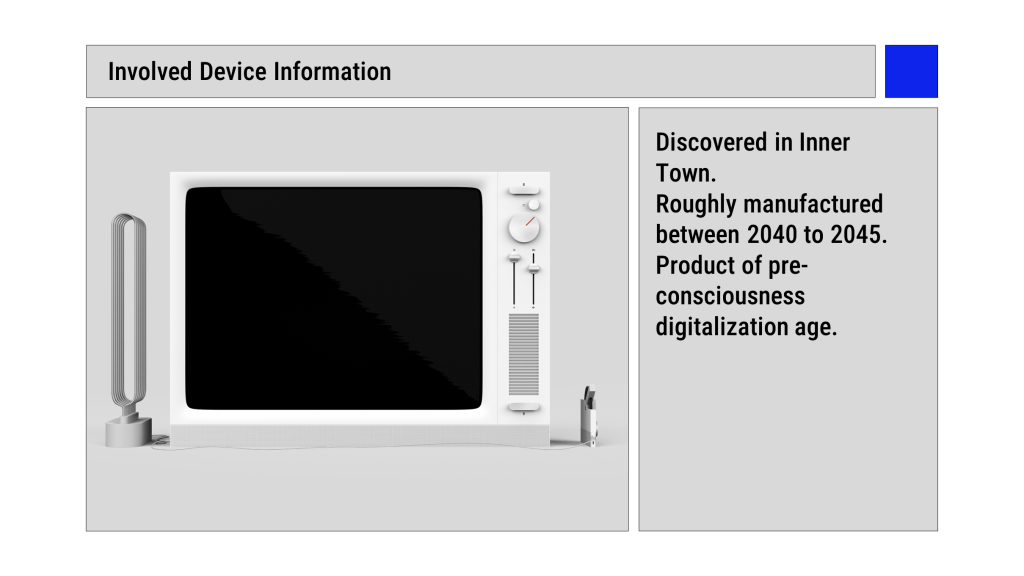
The first decision I made was to divide the antenna and disk reader from the main piece. These three pieces are connected to each other through cables, giving a “complicated” visual experience as a prototype in a science fiction.


The second decision was to follow the shape of an old, chunky TV. The semi-cylinder shape could slightly rotate on the base and change the angle for the users. This design aligns with the Project in the series. The red highlights, white and gray plastic body, and dotted speaker grill also align with the projector.
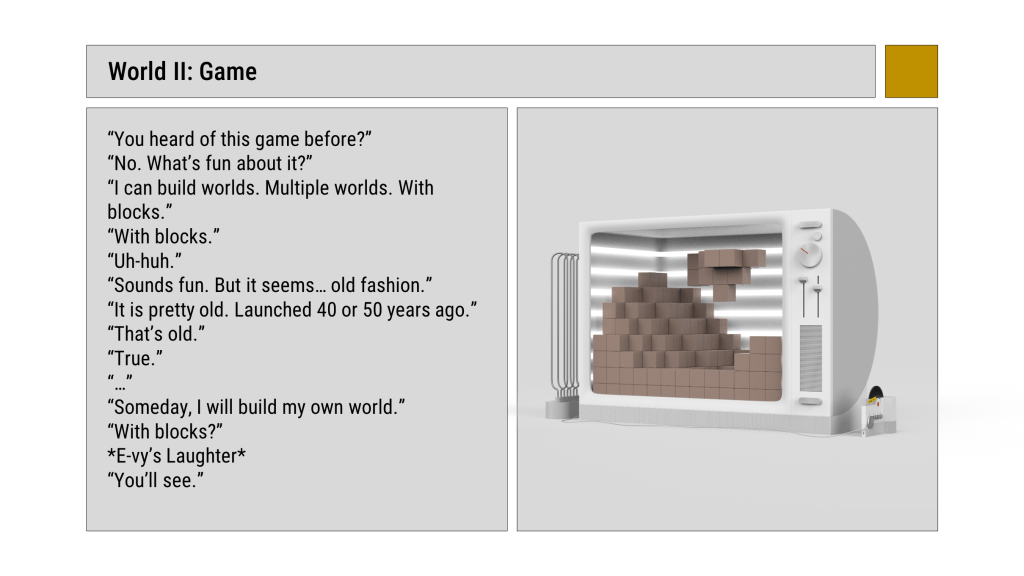
To further emphasize the narrative aspect of this prototype, I added details to make the TV looks like an item in the movie. The sticky notes with “Sample 041” suggests that the subject has iterated the machine multiple times; the 6 antenna rings suggest that the TV was used in a remote location where signals are weak; the iceberg on the screen shows the pictures in the subject’s childhood memory.
Storyboard
Final Story
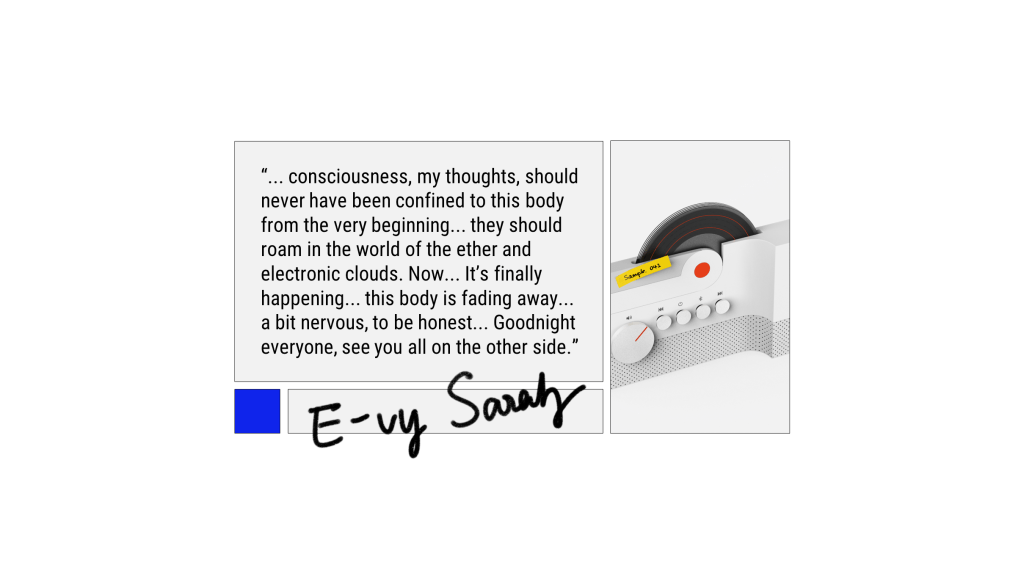
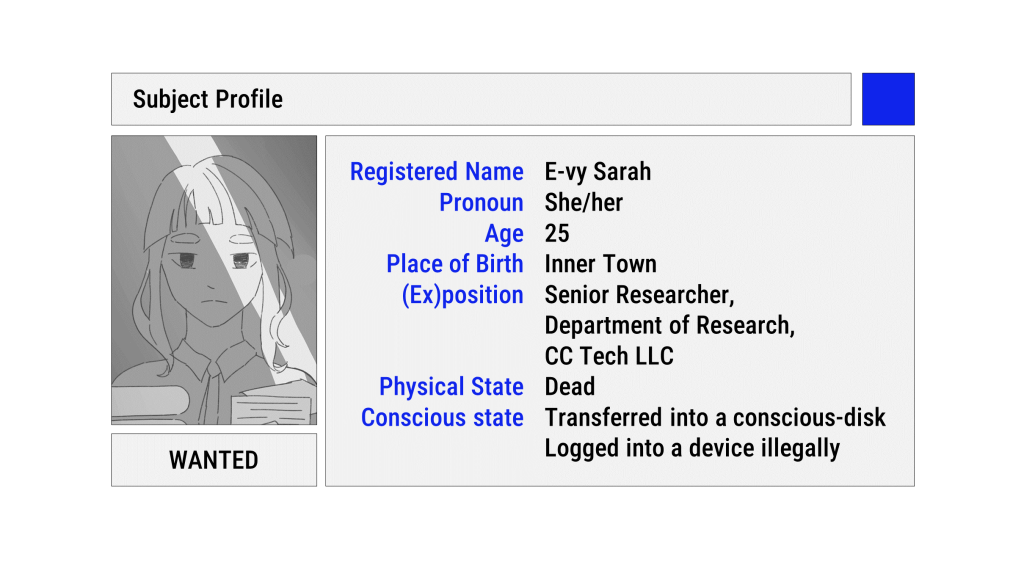
I made a fictional presentation to make the storytelling more engaging. The presentation takes place after the E-vy case happened, and the company that produced the technology was discussing a solution.







Rendering


 JIHONG ZHAO